Showing posts with label Racism. Show all posts

Monday, November 17, 2025

From Postcards to the Present


The Unbroken Line of Lynching in America

Lynching in the United States is often spoken of as a relic of the past — a brutal chapter closed with the Civil Rights Movement. Yet the evidence tells a different story. From the grotesque postcards of the early 20th century to suspicious hangings in Mississippi today, lynching is not just history. It is a living legacy, woven into the cultural fabric of America and passed down across generations.

Lynching Postcards: Souvenirs of Terror

·        Between the 1880s and 1940s, lynching was not hidden but celebrated.

·        Photographs of victims were turned into postcards, sold and mailed across the country until the U.S. Postal Service banned them in 1908.

·        These postcards often showed white families posing with victims, smiling as if at a festival. Children were present, indoctrinated into a culture of hate and supremacy.

·        Examples include:

o   1903, Wrightsville, GA – Lee Hall lynching postcard.

o   1908, Russellville, KY – Four Black men lynched, children visible in the crowd.

o   1930, Marion, IN – The infamous Shipp and Smith lynching, photographed with thousands of spectators, including women and children.

Explore the Without Sanctuary digital exhibit of lynching postcards: Without Sanctuary

Indoctrination of White Children

·        Children’s presence was not incidental. Parents deliberately brought them to lynchings.

·        These events functioned as rituals of indoctrination, teaching that racial violence was acceptable and celebrated.

·        Postcards immortalized this indoctrination, embedding racism into everyday life and ensuring its transmission across generations.

Continuity into the Present

·        Mississippi, historically one of the states with the highest lynching rates, continues to see suspicious hangings of Black men.

·        Since 2000, at least nine Black men have been found hanging from trees in Mississippi, often ruled suicides by authorities but disputed by families.

·        September 2025:

o   Demartravion “Trey” Reed, a 21‑year‑old student at Delta State University, was found hanging from a tree.

o   Cory Zukatis was found hanging near a casino in Vicksburg the same day.

·        These cases echo the past: quick rulings of suicide, community distrust, and the haunting imagery of lynching.

Read Equal Justice Initiative’s report on lynching in America: EJI – Lynching in America
Coverage of recent suspicious hangings:
Family of Black student found hanging from tree on Mississippi campus seeks independent autopsy

The Generational Thread

·        It is conceivable — and historically consistent — that descendants of families photographed at lynchings are connected to suspicious hangings today, whether through lineage, cultural memory, or institutional power.

·        The overlap between counties with the highest lynching rates (Bolivar, Leflore, Holmes) and recent suspicious hangings underscores this continuity.

·        Just as lynchings were rarely prosecuted in the past, today’s cases are often dismissed, perpetuating the same cycle of silence and impunity.

NAACP archives on anti-lynching campaigns: The NAACP's Anti-Lynching Campaign | American Experience | Official Site | PBS
NAACP History of Lynching in America:
History of Lynching in America | NAACP

Conclusion

Lynching is not just a chapter in America’s past — it is a living legacy. The postcards remind us that racial violence was normalized, celebrated, and taught to children. The suspicious hangings of today remind us that the terror continues, often hidden behind official rulings of suicide.

To confront this reality, we must acknowledge the generational transmission of hate, the geographic persistence of racial terror, and the institutional silence that allows it to endure. Only then can we break the unbroken line from postcards to the present.

About the Author

Daryl Horton is a technical and creative writer who lives at the intersection of structured systems and imaginative storytelling. With an extensive background in business information management and information systems, he has spent years helping organizations untangle complex processes and work smarter. After reaching the dissertation phase of a Knowledge Management PhD program at Walden University, Daryl made the deliberate leap to step away from academia and dedicate himself to creative writing and publishing through Abolitic. Today, he blends analytical rigor with artistic craft—bringing clarity to technical projects and structure to creative worlds.

You can find more information about Daryl Horton on his LinkedIn page at https://www.linkedin.com/in/darylhorton/.

Generated with the assistance of Microsoft Copilot. Reviewed and edited by a human author.


Saturday, November 1, 2025

Radio Waves of Justice


How a 1946 Radio Show Took on White Supremacy

In the summer of 1946, Superman didn’t just leap tall buildings—he leapt into one of the most courageous battles in pop culture history. In a 16-part arc of The Adventures of Superman radio show, the Man of Steel took on a fictional hate group called the Clan of the Fiery Cross. Modeled after the Ku Klux Klan, this storyline wasn’t just entertainment—it was a strategic strike against real-world racism.

The Storyline: Courage in the Airwaves

The arc begins when a Chinese-American boy named Tommy Lee joins a youth baseball team. His inclusion sparks outrage from a local hate group, the Clan of the Fiery Cross, who begin threatening his family. Superman steps in—not just to protect Tommy, but to expose and dismantle the clan’s ideology and tactics.

The show aired in June and July of 1946, just as America was grappling with postwar racial tensions and the resurgence of white supremacist groups. The writers didn’t hold back: the clan was portrayed as cowardly, ignorant, and dangerous. Superman’s intervention was both physical and moral—he used his strength and his voice to challenge hate.

The Real-Life Spy Behind the Scenes

Civil rights activist and journalist Stetson Kennedy played a pivotal role in the arc’s creation. Kennedy infiltrated the real Ku Klux Klan and passed their secret codes, rituals, and language to the show’s producers. These details were woven into the broadcast, effectively mocking and demystifying the Klan’s aura of power.

Kennedy’s goal was clear: use Superman’s popularity to undermine the Klan’s recruitment and public image. And it worked.

Public Reception: A Cultural Body Blow

The response was swift and powerful. Listeners—especially children—were captivated by Superman’s stand against racism. The Klan, on the other hand, was humiliated. Their secret rituals were now public knowledge, and their image as a fearsome underground force was shattered.

While exact ratings data from the time is scarce, anecdotal evidence and later interviews suggest the arc had a chilling effect on Klan recruitment. Kennedy himself claimed the show did more to damage the Klan than many political efforts.

Listen to the radio show here.


Legacy and Revival

The story’s impact didn’t fade. In 2019, DC Comics released Superman Smashes the Klan, a three-part graphic novel by Gene Luen Yang and Gurihiru. It reimagines the 1946 arc for modern audiences, emphasizing themes of identity, courage, and community solidarity.

Why It Still Matters

“Clan of the Fiery Cross” wasn’t just a radio drama—it was a cultural intervention. It showed that superheroes could do more than fight aliens and mad scientists. They could fight hate. They could stand for justice in the real world.

In an era where media is often criticized for avoiding controversy, this 1946 broadcast reminds us that storytelling can be a weapon against injustice. Superman didn’t just wear a cape—he wore conviction.

About the Author

Daryl Horton is a technical and creative writer who lives at the intersection of structured systems and imaginative storytelling. With an extensive background in business information management and information systems, he has spent years helping organizations untangle complex processes and work smarter. After reaching the dissertation phase of a Knowledge Management PhD program at Walden University, Daryl made the deliberate leap to step away from academia and dedicate himself to creative writing and publishing through Abolitic. Today, he blends analytical rigor with artistic craft—bringing clarity to technical projects and structure to creative worlds.

You can find more information about Daryl Horton on his LinkedIn page at https://www.linkedin.com/in/darylhorton/.

Generated by Microsoft Copilot. Reviewed and edited by a human author.

Available at Amazon


Illustrating Resistance


How Superhero Comics Have Battled White Supremacy

From their earliest days, comic books have been more than escapist entertainment—they’ve been battlegrounds for justice. While superheroes often punch out bank robbers and alien invaders, some of their most powerful stories involve confronting real-world hate, especially white supremacy. This blog explores how comics have historically tackled racism head-on, and why these stories matter now more than ever.

A Legacy of Resistance

1940s: Punching Nazis in the Face

The fight began with Captain America’s iconic debut in Captain America Comics #1 (1941), where he’s shown socking Adolf Hitler. This wasn’t just propaganda—it was a bold statement from Jewish creators Joe Simon and Jack Kirby during a time when America hadn’t yet entered WWII.

1960s–1980s: Allegory and Activism

As civil rights movements gained momentum, comics evolved. The X-Men, created in 1963, became allegories for marginalized groups. In X-Men: God Loves, Man Kills (1982), the team faces off against a religious zealot who preaches mutant genocide—mirroring real-world hate speech.

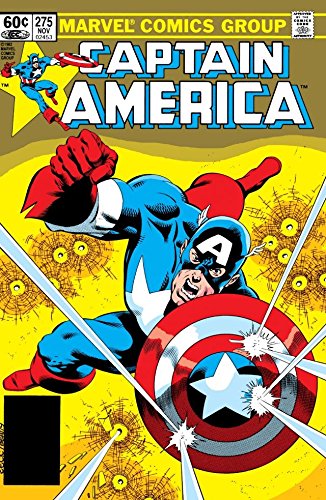
Captain America’s 1980s run also took a darker turn. In Captain America #275–278, Steve Rogers battles the National Force, a neo-Nazi group using mind control and racial violence to spread terror.


Black Heroes, Real Struggles

·        Steel (1994): John Henry Irons, a Black engineer turned superhero, fights gang violence and systemic racism in Metropolis.

·        Icon (Milestone Comics, 1993): A conservative Black alien superhero grapples with race, class, and justice in urban America.

·        Truth: Red, White & Black (2003): This Marvel miniseries reveals the U.S. government’s unethical testing of the Super-Soldier Serum on Black soldiers, inspired by the real-life Tuskegee experiments.

Modern Reckonings

·        Absolute Batman 2025 Annual #1 (2025)
Batman confronts white supremacists in Slaughter Swamp, including Neo-Nazis and KKK members. The story is raw, stylized, and unapologetically political, echoing the urgency of our times.

·        The American Way (2006)
Set in the 1960s, this WildStorm/DC series critiques government manipulation and racial unrest, introducing a Black superhero to a white team to pacify civil rights protests.

·        Black Panther (Ta-Nehisi Coates run, 2016–2021)
While not always direct, Coates’ run explores colonialism, racial supremacy, and resistance through Wakanda’s global interactions.

Why These Stories Matter

Comics are cultural mirrors. When superheroes confront white supremacy, they challenge readers to do the same. These stories don’t just entertain—they educate, provoke, and inspire. They remind us that the fight against hate isn’t just in the streets—it’s in our stories, our symbols, and our imaginations.

Recommended Reading List


About the Author

Daryl Horton is a technical and creative writer who lives at the intersection of structured systems and imaginative storytelling. With an extensive background in business information management and information systems, he has spent years helping organizations untangle complex processes and work smarter. After reaching the dissertation phase of a Knowledge Management PhD program at Walden University, Daryl made the deliberate leap to step away from academia and dedicate himself to creative writing and publishing through Abolitic. Today, he blends analytical rigor with artistic craft—bringing clarity to technical projects and structure to creative worlds.

You can find more information about Daryl Horton on his LinkedIn page at https://www.linkedin.com/in/darylhorton/.

Generated by Microsoft Copilot. Reviewed and edited by a human author.

Available at Amazon


Wednesday, August 20, 2025

How to Win by Losing


How to Win by Losing: The U.S. Paradox of Memory and Power

In the United States, the past is not just remembered—it’s curated. Confederate army parades still march under the guise of heritage, while books that illuminate the brutal truths of slavery, systemic racism, and oppression are being pulled from shelves. This contradiction reveals a deeper truth: in America, you can win the narrative by losing the war—if your story serves power.

The Confederacy lost the Civil War, but its symbols persist. Statues stand tall, flags fly, and reenactments unfold with fanfare. These displays are defended as cultural heritage, even though they glorify a regime built on the enslavement of Black people. Meanwhile, books that challenge this sanitized version of history—books by Black authors, books about racism, books that tell the truth—are being banned in schools and libraries.

This is not just historical amnesia. It’s strategic forgetting.

Contrast this with Germany, where Nazi symbols are outlawed and Holocaust education is mandatory. Germany’s stance is clear: never again. The past is confronted, not celebrated. The pain is acknowledged, not erased.

Imagine if Germany allowed Nazi parades while banning books about the Holocaust. The world would recoil. Yet in the U.S., this paradox is reality.

How did we get here?

The answer lies in how power shapes memory. Confederate symbols persist because they serve a narrative that resists accountability. Book bans thrive because truth threatens that narrative. The result is a nation where oppression is commemorated, but resistance is censored.

This is how you win by losing: you lose the war, but you win the story. You lose the moral ground, but you win the cultural space. You lose the battle for justice, but you win the right to define what justice means.

If we are to move forward, we must reject this false victory. We must confront the full weight of our history—not just the parts that comfort us, but the parts that challenge us. Because real victory doesn’t come from forgetting. It comes from remembering—and reckoning.

About the Author

Daryl Horton is a technical and creative writer who lives at the intersection of structured systems and imaginative storytelling. With an extensive background in business information management and information systems, he has spent years helping organizations untangle complex processes and work smarter. After reaching the dissertation phase of a Knowledge Management PhD program at Walden University, Daryl made the deliberate leap to step away from academia and dedicate himself to creative writing and publishing through Abolitic. Today, he blends analytical rigor with artistic craft—bringing clarity to technical projects and structure to creative worlds.

You can find more information about Daryl Horton on his LinkedIn page at https://www.linkedin.com/in/darylhorton/.

Sunday, December 29, 2019

The Promises of War

The Promises of War

So,
We kill each other

Then what?
Utopia?

References
Wikipedia contributors. (2019, November 12). Red Summer. In Wikipedia, The Free Encyclopedia. Retrieved 07:21, December 29, 2019, from https://en.wikipedia.org/w/index.php?title=Red_Summer&oldid=925837384

About the Author

Daryl Horton is a technical and creative writer who lives at the intersection of structured systems and imaginative storytelling. With an extensive background in business information management and information systems, he has spent years helping organizations untangle complex processes and work smarter. After reaching the dissertation phase of a Knowledge Management PhD program at Walden University, Daryl made the deliberate leap to step away from academia and dedicate himself to creative writing and publishing through Abolitic. Today, he blends analytical rigor with artistic craft—bringing clarity to technical projects and structure to creative worlds.

You can find more information about Daryl Horton on his LinkedIn page at https://www.linkedin.com/in/darylhorton/.